English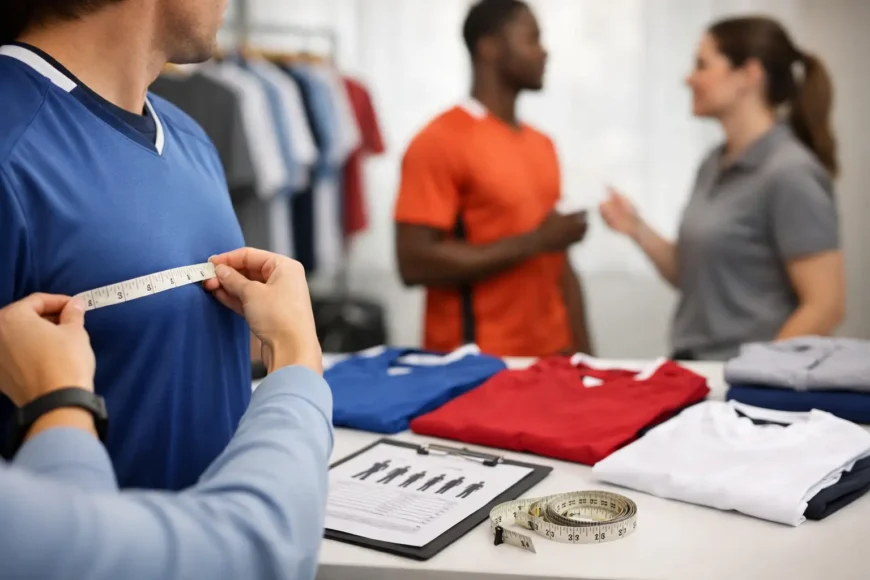
A uniform program can look carefully designed on a sample rack and still fail on the first day of wear if the sizing is inconsistent. Learning how to select uniform sizes is not simply an ordering task. It is a practical decision that affects employee confidence, mobility, garment longevity, safety, and the professional image customers see across every shift.
For organizations outfitting a mixed team, the goal is not to force everyone into a standard size chart. It is to establish a reliable sizing process that balances individual fit with efficient production, inventory control, and a consistent brand presentation.
Start With the Job, Not the Size Chart
Before collecting measurements, define what each employee needs to do while wearing the uniform. A front-desk blazer, a restaurant server shirt, a healthcare tunic, and a warehouse polo may all use familiar size labels, but they need different amounts of ease, stretch, ventilation, and coverage.
Consider the movement required during a normal shift. Hospitality staff may reach overhead, bend to set tables, and move quickly between guests. Clinic employees need comfort through long hours of standing and frequent motion. Corporate teams may prioritize a sharp silhouette for meetings and client-facing work. The correct size is the one that supports the role without looking loose, strained, or untidy.
This is also where fabric matters. A structured woven fabric with little stretch usually requires more fit allowance than a stretch-blend knit. A lined blazer should be fitted differently from an unlined overshirt. Select the garment design and fabric before finalizing size recommendations, because a medium in one construction may not perform like a medium in another.
Build a Clear Measurement Standard
The most reliable uniform programs use actual body measurements rather than asking employees to state their usual retail size. Retail sizing varies widely by brand, fit preference, and garment category. An employee who wears a large casual T-shirt may need a different size in a tailored shirt or fitted jacket.
Use a consistent measuring method for every team member. Measurements should be taken over light clothing, with the tape held level and comfortably firm rather than pulled tight. For tops and jackets, the key points are usually chest or bust, waist, shoulder width, sleeve length, and body length. For pants and skirts, measure the natural waist, hip, inseam, and preferred finished length.
Record each measurement in a standardized form, along with the employee’s department, garment style, and any relevant fitting notes. A note such as “prefers additional room through the thigh” or “requires a longer sleeve” is often more useful than a size label alone. It gives the production team context when a garment sits between standard sizes.
Measure Garments as Well as People
Body measurements determine the starting point, but finished garment measurements confirm whether the selected size will work. Compare the employee’s measurements against the actual dimensions of the proposed garment, including the built-in ease needed for movement.
For example, a tailored jacket needs enough chest and shoulder room to allow natural arm motion while retaining a clean line. Pants need sufficient room through the seat and thigh for sitting, walking, and bending. A shirt that closes at the buttons but pulls when the wearer reaches forward is technically the wrong fit.
This comparison is especially valuable when ordering from a size run. It prevents a common mistake: choosing the size that matches a body measurement exactly, with no allowance for the garment’s construction or the demands of the job.
Use Fit Samples Before Approving Production
A size chart is useful. A physical fitting sample is better. Fit samples allow employees to try the exact or closest available garment style before the full order is produced. They reveal issues that measurement tables cannot always predict, such as restricted shoulders, a collar that sits too high, a waistband that rolls when seated, or a hem that becomes too short during movement.
Arrange a structured fitting session rather than distributing samples informally. Employees should try on the garment, button or fasten it fully, sit down, lift their arms, walk, and perform a few role-specific motions. A hospitality employee should test reaching and bending. A security or operations team member should test walking, squatting, and carrying typical work items. The garment should remain comfortable and polished throughout.
Have a trained fitter or designated coordinator record the result immediately. Mark each item as approved, size up, size down, alter, or review. This prevents decisions based on memory after the session and creates a useful record for repeat orders.
Know When Standard Sizing Is Enough
Standard sizing can be the efficient choice for high-turnover roles, large teams, or garments with forgiving fits such as polos, aprons, outerwear, and stretch workwear. It reduces lead times and makes future replacement orders easier to manage. However, standard sizing works best when the range is broad, fit samples are available, and the garment design offers reasonable flexibility.
Tailored or semi-custom sizing is often the stronger investment for executive uniforms, front-of-house teams, hotel reception staff, client-facing consultants, and formal corporate apparel. These employees represent the business at close range, where sleeve length, trouser break, jacket shoulder fit, and overall proportion make a visible difference.
A hybrid approach is frequently the most practical solution. Use graded standard sizes for core pieces such as shirts and trousers, then provide individual alterations for hems, sleeves, waists, or jackets where precision has the greatest impact. This protects budget and production efficiency without treating fit as an afterthought.
Plan for Size Ranges and Body Diversity
A professional uniform program should accommodate the team you have, not an idealized size curve. Ordering only the most common sizes may appear economical, but it can leave some employees wearing garments that are restrictive, overly loose, or visibly mismatched.
When planning your range, include petite, regular, tall, and extended options where appropriate. Consider separate cuts when they improve fit, but do not assume cut preference based on gender alone. Offer employees a respectful fitting process and focus on measurements, comfort, job requirements, and preferred garment silhouette.
Avoid using a single oversized garment as a solution for anyone outside the core size range. Excess fabric can catch on equipment, create a less polished appearance, and make movement awkward. Conversely, undersized garments place stress on seams and fastenings, reducing durability and creating discomfort during long shifts.
Account for Alterations Early
Some fit details are easier to adjust than others. Trouser hems, skirt lengths, sleeve lengths, and certain waist adjustments are usually straightforward. Shoulder width, jacket balance, rise, and major chest or hip adjustments are more complex and may require a different base size or custom pattern.
Include alteration planning in the original budget and timeline. It is more efficient to identify likely adjustments during the fitting stage than to manage widespread corrections after uniforms have been issued. For formal garments, a final fitting after alterations provides the quality control needed for a refined, consistent result.
The right alteration strategy depends on the garment. A simple staff polo may not justify individual tailoring. A branded blazer worn by a reception team probably does. Match the level of fitting service to the visibility of the role, the structure of the garment, and the expected wear life.
Protect Consistency in Future Orders
Uniform sizing is not a one-time project. New hires, promotions, seasonal staffing, and replacement garments all create future demand. Keep a secure record of approved sizes, alteration details, garment styles, fabrics, colors, and branding specifications. A clear reorder record helps maintain consistency months or years after the first rollout.
It is also wise to hold a modest range of replacement stock for essential roles, particularly where immediate presentation matters. Choose stock items carefully, though. Keeping only a few common sizes is useful; relying on stock instead of a fitting process for every new hire can slowly erode the appearance of the program.
Before a reorder, verify whether the original fabric, pattern, and size specifications remain available. Changes in material or construction can affect fit even when the size label stays the same. Consistency comes from managing the complete specification, not just repeating a size code.
Make Sizing Part of the Uniform Experience
Employees are more likely to wear uniforms confidently when they feel the program was designed with their comfort and professional role in mind. Clear fitting instructions, private measurement options, prompt alterations, and a responsive process all signal respect for the people representing your organization.
The best uniform fit is precise without being restrictive, practical without looking generic, and consistent without ignoring individual needs. A specialist partner such as Velcoor can turn measurements, fabric performance, job requirements, and brand standards into a uniform program that looks considered from every angle. When each employee can move comfortably and present themselves with confidence, the uniform becomes a credible extension of the business itself.