English
A guest notices your front desk team before they notice your lobby details, scent program, or check-in technology. That first visual impression happens fast, and hotel front desk uniforms play a direct role in how your property is perceived. If the fit looks inconsistent, the fabric wrinkles by midday, or the styling feels disconnected from the brand, guests feel that gap immediately.
For hotels, the front desk is not just a workstation. It is the face of the operation, the point where service standards become visible. Uniforms for this team need to do more than look formal. They need to communicate confidence, support long shifts, and hold up under constant guest interaction.
Why hotel front desk uniforms matter more than most managers expect
Front office staff carry a unique burden. They welcome arrivals, handle complaints, answer questions, coordinate with housekeeping, support reservations, and often de-escalate stressful situations. Their appearance has to project calm authority while still feeling approachable.
That is why hotel front desk uniforms should be treated as part of the guest experience, not a last-minute procurement item. A well-designed uniform helps establish trust before a word is spoken. It signals that the hotel is organized, attentive, and professionally managed.
There is also an internal effect. When employees are dressed in garments that fit well and reflect the standards of the property, they tend to present themselves with more confidence. This is especially true in hospitality, where posture, polish, and consistency matter every hour of the day.
The difference between a basic uniform and a brand-aligned one
Many hotels make the mistake of buying generic officewear and labeling it a front desk uniform. The result is often serviceable but forgettable. It may meet the minimum requirement for formality, yet it does little to strengthen the property’s identity.
A brand-aligned uniform starts with a clearer question: what should a guest feel when they approach the desk? A business hotel may want a sharper, more corporate silhouette. A boutique property may prefer softer tailoring, warmer tones, or more distinctive styling details. A luxury hotel may lean toward premium suiting fabrics, understated trim, and precise construction that reflects exclusivity without looking theatrical.
The right uniform design translates brand values into visible details. Lapel shape, button finish, fabric texture, shirt color, and even the cut of trousers or skirts all contribute to that message. When these elements are chosen carefully, the front desk team looks like a natural extension of the property rather than a group dressed from a catalog.
What to prioritize when choosing hotel front desk uniforms
Fit should come first. Even excellent fabric and strong styling lose impact if the garments pull at the shoulders, sag at the waist, or sit awkwardly through the sleeve. Front desk staff spend long hours standing, turning, reaching, typing, and moving between guest-facing and back-office tasks. The uniform needs enough structure to look refined and enough precision in cut to allow movement.
Fabric is the next major decision. Hospitality teams need materials that resist wrinkling, maintain shape, and remain comfortable across long shifts in climate-controlled interiors. Breathability matters, but so does durability. If the fabric feels thin, pills quickly, or loses its finish after repeated laundering, the uniform will stop representing the brand well long before its replacement cycle.
Color selection should reflect both branding and maintenance realities. Darker tones often project authority and hide minor daily wear, while lighter shirts can keep the overall look fresh and polished. That said, not every hotel should default to black and white. Deep navy, charcoal, taupe, muted beige, or rich earth tones can offer a more distinctive identity while still preserving a formal presentation.
Practical detailing matters more than many buyers expect. Pocket placement, lining weight, button durability, and stain tolerance all affect how the uniform performs in real work conditions. Front desk staff may carry key cards, pens, notepads, radios, or handheld devices. A beautiful blazer that does not support these routines can create frustration very quickly.
Styling choices that work well at the front desk
Tailored blazers remain one of the strongest choices for front office teams because they create structure and visual authority. Paired with dress pants, tailored skirts, or coordinated dresses, they help define a clear hospitality standard without appearing overly rigid. For many properties, the blazer becomes the anchor piece that holds the entire look together.
Shirts and blouses should be selected with equal care. Crisp collars, quality buttons, and fabrics that retain a clean appearance through extended wear make a noticeable difference. If the property wants a softer or more contemporary presentation, knit tops or structured stretch blouses can work well, but only when they still look elevated enough for guest-facing roles.
Vests are another strong option, particularly for hotels that want a layered look without forcing staff into full jackets all day. They add distinction, support brand styling, and can improve comfort in warmer environments. The trade-off is that vests need careful fitting. If they are too tight or too loose, the result looks less polished than a simpler combination.
Accessories should be used with restraint. Scarves, ties, name badges, pocket squares, or subtle branded embroidery can strengthen recognition, but too many decorative elements can make the look feel dated or overly busy. In hospitality, refinement usually has more impact than ornament.
Comfort is not separate from presentation
One of the biggest mistakes in uniform planning is treating comfort as secondary to appearance. Front desk teams are on display, but they are also working continuously. If jackets are heavy, collars irritate the neck, or waistbands restrict movement, staff discomfort will eventually show in posture, facial expression, and overall service energy.
This is where custom development has a clear advantage. Made-to-measure or fit-personalized uniforms reduce the compromises that come with standard sizing. Different body types, height ranges, and role-specific needs can be accommodated more accurately, which creates a more consistent visual outcome across the team.
Comfort also supports retention. Employees are more likely to wear and care for uniforms properly when the garments feel good throughout the day. For hotel operators, that means fewer complaints, better compliance, and a more reliable presentation standard.
Why customization gives hotels a stronger return
For procurement teams, budget matters. Ready-made options may appear less expensive upfront, but they often create hidden costs through alterations, inconsistent fit, shorter lifespan, and weaker brand cohesion. A custom uniform program usually performs better over time because it is designed around actual operational needs.
Customization also allows hotels to build role-based consistency. Front desk managers, guest relations personnel, concierge staff, and reception associates can share one visual language while still having slight distinctions in styling or trim. This helps guests identify authority levels and service functions without breaking the overall brand image.
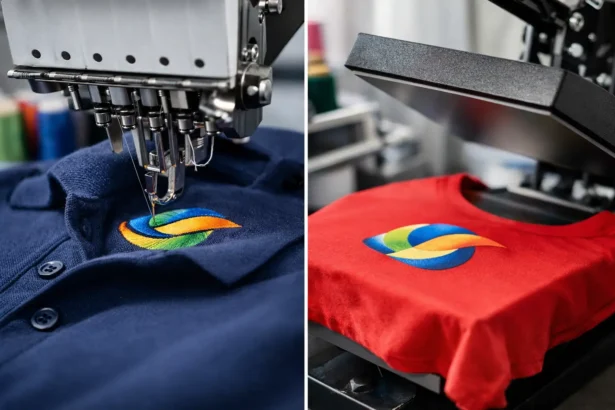
Branding details should be integrated thoughtfully. Embroidered logos, monograms, signature lining, or custom color accents can elevate recognition, but they should support a refined hospitality image rather than dominate it. Good uniform design makes branding feel intentional, not promotional.
Hotel front desk uniforms should reflect operations, not just aesthetics
The most successful hotel front desk uniforms are developed with real workflow in mind. A luxury city hotel, a resort property, and a business-focused airport hotel do not need the same solution. Their guest expectations, climate conditions, staffing patterns, and service style are different.
That is why consultation matters. Before finalizing a uniform program, decision-makers should evaluate shift length, laundering frequency, lobby environment, employee mobility, and the visual standard expected by guests. What looks excellent in a presentation may not hold up in daily operation.
A tailored approach allows these realities to shape the final product. That includes fabric selection, silhouette, branding placement, and sizing strategy. For businesses that take presentation seriously, this level of precision is not an extra. It is part of protecting the brand.
A specialized uniform partner such as Velcoor can bring that process together through design guidance, fabric expertise, fit personalization, and production consistency for hospitality teams that need more than off-the-rack formality.
Choosing a supplier for hotel front desk uniforms
Not every uniform supplier is equipped to serve hotels well. The right partner should understand hospitality presentation, but also garment construction, repeat order consistency, and the realities of outfitting teams with different sizes and responsibilities.
Look for a provider that can advise on style direction, offer meaningful fabric options, and support fitting with precision. It also helps if they can maintain consistency across future orders as staffing changes. A hotel uniform program is rarely a one-time purchase. It is an ongoing standard that needs to stay stable as the team evolves.
The strongest results usually come from suppliers who treat uniforms as part of business identity rather than simple apparel fulfillment. That difference shows up in the final fit, the durability of the garments, and the confidence your team brings to the front desk each day.
When guests approach reception, they are looking for reassurance as much as service. A well-made uniform quietly provides it before the conversation even begins.