English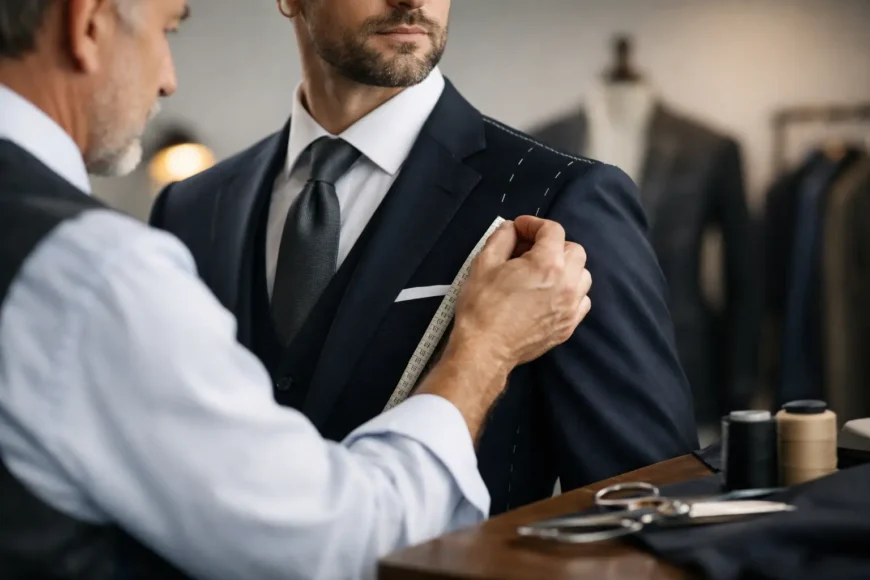
A custom suit can sharpen how a professional is perceived before a word is spoken. If you are evaluating how to get a custom suit made, the real decision is not just about style. It is about fit, brand presentation, comfort through long workdays, and whether the final garment reflects the standards your business expects.
For executives, front-desk teams, managers, and client-facing staff, a suit is part of the company image. A ready-made option may seem faster, but it rarely delivers consistent fit across different body types or the level of detail needed for a polished, branded look. A custom-made suit gives you control over silhouette, fabric performance, finishing, and functionality.
How to get a custom suit made step by step
The process starts well before measurements are taken. A strong custom tailoring project begins with clarity about purpose. A suit for daily office use needs different fabric and construction from one intended for hotel management, finance leadership, or high-visibility hospitality roles. Before anything else, define who will wear the suit, how often it will be worn, and the image it needs to project.
That early direction shapes every later choice. A finance team may need a conservative, structured look in navy or charcoal. A luxury hospitality brand may want softer tailoring, lighter fabric movement, and details that feel more premium. A restaurant group might need the refinement of suiting with added practicality for long shifts and frequent cleaning.
Start with the right consultation
A proper consultation should cover more than jacket size and pant length. It should address your brand standards, work environment, staff responsibilities, climate, and maintenance expectations. This is especially important for businesses ordering suits for teams rather than one individual.
An experienced tailoring partner will ask practical questions. Will the suits be worn daily or only for events? Do employees spend most of the day standing, walking, greeting clients, or sitting in meetings? Does the business need a fully formal suit, or would a coordinated blazer and trouser program serve better? These details affect construction, fabric weight, and styling decisions.
For companies, the consultation is also where visual consistency is established. Lapel style, button configuration, pocket design, lining choices, and brand details should feel cohesive across the team while still allowing for proper fit by role and body type.
Choose fabric based on performance, not just appearance
One of the biggest mistakes in custom suiting is choosing fabric based only on how it looks on a sample book. Fabric has to perform in real conditions. In warmer markets and active workplaces, breathability matters. In high-contact client environments, wrinkle resistance and shape retention matter just as much.
Wool remains the standard for a reason. It drapes well, holds structure, and looks professional across industries. But wool blends can be a practical option when durability and easier care are priorities. For some roles, a slight stretch component improves comfort without compromising appearance.
Texture and weight also matter. A fine, lightweight fabric may feel luxurious, but it may not be the best choice for heavy rotation or staff who need more structure and resilience. On the other hand, a heavier cloth can look excellent in boardroom settings but feel restrictive in hospitality or front-of-house operations. The right answer depends on how the suit will be used.
Measurements are where custom quality is won or lost
If you want to understand how to get a custom suit made well, focus closely on the measurement stage. Precision here determines whether the suit looks tailored or merely expensive.
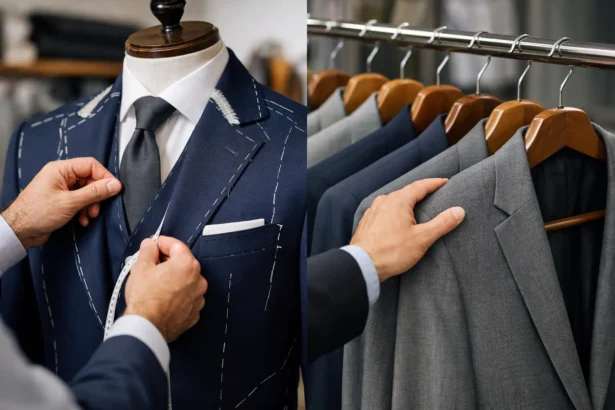
Good measurements go beyond chest, waist, and inseam. A skilled fitter will assess shoulder balance, posture, arm position, seat shape, jacket length, rise, sleeve pitch, and how the body moves. This matters because two people with the same basic size can need very different pattern adjustments.
For business teams, consistent fitting standards are essential. Different body shapes across male and female staff should still result in a unified appearance. That requires more than using a standard size chart. It requires made-to-measure expertise and attention to proportion.
A strong fitting process should also account for use. Someone who presents in meetings all day may prefer a cleaner, closer silhouette. Someone who moves constantly across a property, clinic, or dining room may need more ease through the back, armhole, and trouser seat. Precision does not mean tightness. It means balance.
Design details should support the role
Custom suits offer room for design decisions that are easy to overlook but highly visible in the final result. Lapels, vents, pocket styles, button stance, lining, and trouser break all influence how formal or modern the suit appears.
For corporate environments, simplicity usually works best. Clean notch lapels, classic two-button jackets, and straight, well-balanced trousers create a professional look that wears well over time. For premium hospitality or executive leadership, elevated finishing and more refined fabric selections can communicate stronger brand positioning.
This is also where subtle brand identity can be built in. Interior linings, embroidery, monograms, and coordinated color accents can reinforce company presentation without making the garment look promotional. The best custom uniforms and business suits feel intentional, not overdesigned.
Expect at least one fitting, sometimes more
A proper custom suit process usually includes a fitting after the initial pattern and cut are prepared. This is where the garment is checked on the body and refined. Sleeve length, jacket waist suppression, trouser taper, collar balance, and overall comfort are reviewed in real wear conditions.
For a single executive suit, one or two fittings may be enough. For larger staff programs, fit approvals often happen through sample sizing and role-based fit checks before final production. This protects consistency and reduces the risk of costly remakes.
Businesses should be cautious of any process that promises custom results without a meaningful fitting stage. Speed has value, but precision has more. A suit that looks correct on paper can still fail in movement, comfort, or silhouette if no one reviews it on the wearer.
How to get a custom suit made for a team
Ordering one suit and outfitting an entire organization are different projects. For teams, the challenge is not only fit. It is repeatability, brand control, and operational practicality.
A business suit program should be developed with clear standards. That includes approved fabrics, color consistency, styling details, and options by role if needed. Senior management may require full suits, while customer-facing staff may wear matching blazers and tailored pants or skirts. The collection should look coordinated without forcing every employee into the exact same garment structure.
Production planning matters as well. Businesses often need phased rollout, sizing support for new hires, and confidence that future orders will match the original program. This is where working with a specialist partner becomes valuable. Velcoor supports this process by combining consultation, measurement, customization, and production into one service built for professional teams.
What to ask before placing an order
Before approving a custom suit order, ask practical questions about turnaround time, fabric continuity, alteration support, and reordering. You should also confirm whether the tailor or manufacturer can handle branding details, staff size variation, and sector-specific requirements.
It is also wise to ask how the garments are constructed for durability. A suit that looks excellent on delivery but loses shape after regular wear will cost more in the long run. For companies, value comes from appearance and longevity together.
Finally, consider care requirements. Some premium fabrics require more attention than busy workplaces can realistically provide. The best custom suit is not simply the most luxurious option. It is the one that aligns with your brand image, daily demands, and budget over time.
The smartest approach is a balanced one
A custom suit should look sharp, feel comfortable, and function in the real conditions where it will be worn. That means balancing aesthetics with durability, structure with movement, and individuality with brand consistency. The strongest results come from a process that treats tailoring as both craftsmanship and business presentation.
If you are planning custom suits for yourself or your team, take the time to define the role of the garment before choosing fabric or styling. When the consultation is thoughtful and the fitting process is precise, the finished suit does more than fit well. It supports confidence, reinforces professionalism, and presents your business exactly as it should be seen.