English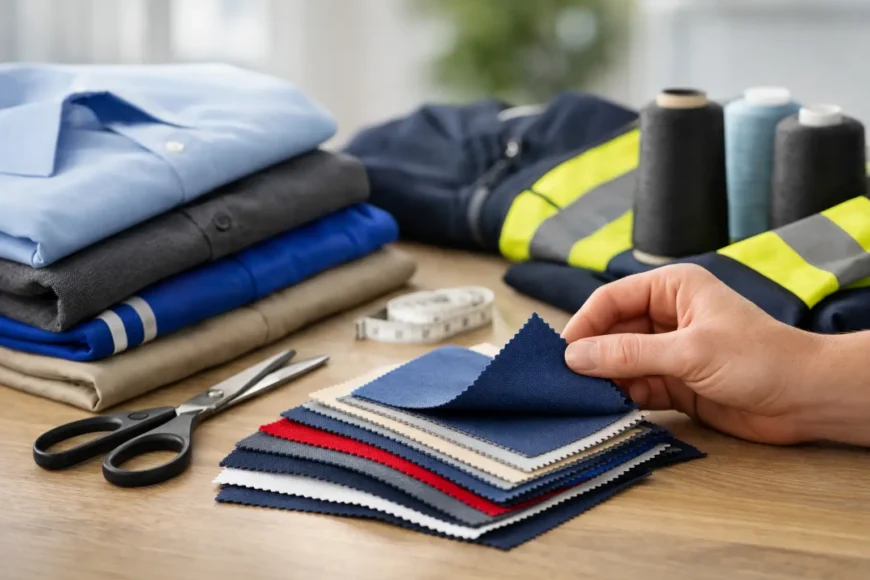
A front-desk uniform that looks sharp at 8 a.m. but feels heavy and creased by noon is not doing its job. Neither is a restaurant shirt that shows every stain or a clinic tunic that loses its shape after repeated washing. Knowing how to choose uniform fabrics means balancing the image your business wants to project with the real conditions your employees face every day.
For organizations investing in professional apparel, fabric is not a finishing detail. It affects employee comfort, garment lifespan, maintenance costs, fit, color consistency, and the confidence customers place in your team. The right choice creates a polished, practical uniform program that performs as well as it presents.
Start With the Role, Not the Fabric Name
It is tempting to begin with a preferred fabric, such as cotton, polyester, or wool. A stronger approach is to begin with the employee’s role. Consider where the garment is worn, how much movement the job requires, whether the employee works indoors or outdoors, and how often the item will be laundered.
A receptionist, relationship manager, and hotel concierge may need refined suiting that holds a crisp silhouette during client interactions. A restaurant server needs a breathable, mobile fabric with reliable stain resistance. Healthcare and clinic teams need easy-care materials that can tolerate frequent washing without becoming thin, stiff, or misshapen. Housekeeping, logistics, and maintenance teams may need heavier fabrics with greater abrasion resistance and functional stretch.
The most successful uniform programs do not force every department into one material. They maintain a unified visual identity through coordinated colors, trims, and branding while selecting fabric weights and constructions appropriate to each role.
How to Choose Uniform Fabrics for Daily Wear
Every fabric decision should be assessed against five practical priorities: comfort, durability, appearance, care requirements, and suitability for the working environment. These factors overlap, and the best option is rarely the most luxurious fabric or the lowest-cost fabric on its own.
Comfort affects employee confidence
Employees wear uniforms for long shifts, often in warm spaces, crowded service areas, or air-conditioned offices. Breathability, moisture management, softness, and stretch all influence whether a garment feels comfortable from the first meeting to the end of a shift.
Cotton is valued for its soft hand feel and breathability, making it a strong choice for shirts and lightweight uniforms. Its limitation is that untreated cotton can wrinkle easily, shrink, and hold moisture. Polyester is highly durable, colorfast, and quick drying, but a high-polyester fabric may feel less breathable in heat. A cotton-polyester blend often provides a more balanced result, combining comfort with easier maintenance and better shape retention.
For roles involving frequent movement, a small percentage of elastane can make a substantial difference. Stretch should support motion at the shoulders, waist, hips, and knees without making the garment look overly casual. The aim is controlled flexibility, particularly for tailored pants, fitted blazers, skirts, and active hospitality uniforms.
Durability should match the workload
Fabric weight and weave determine much of a uniform’s service life. Lightweight fabrics can look elegant and feel cool, but they may be less suitable for high-friction jobs or frequent commercial laundering. Heavier fabrics generally resist wear better, although they can feel warmer and may not drape as cleanly.
For daily corporate attire, a medium-weight woven fabric often offers the right balance of structure and comfort. For operational teams, consider tightly woven blends that resist pilling, snagging, and abrasion. For executive suits and front-of-house blazers, wool blends can offer a refined drape and natural resilience while reducing some of the care demands associated with pure wool.
Ask how many wears and wash cycles the garment is expected to handle. A uniform that costs less initially but needs replacement after a short period can become the more expensive option across an entire team.
Appearance must stay consistent
Uniforms represent the business long after a fitting appointment. Fabrics should preserve their color, texture, and shape so that employees look consistent across shifts, departments, and locations.
Dark colors can create a formal, authoritative appearance, but some fabrics show lint, dust, or fading more readily than others. Light colors may feel clean and approachable, yet require stronger stain management. Texture also matters. A subtle twill, birdseye, or fine weave can add depth to a corporate uniform and hide minor wear better than a completely flat surface.
Before approving a fabric, review it under different lighting conditions. A navy that appears polished in a showroom may look nearly black in low hotel lighting or show an unexpected undertone in daylight. This is especially relevant when uniforms must coordinate with existing brand colors, embroidered logos, or printed elements.
Understand the Strengths of Common Uniform Fabrics
Fabric selection becomes easier when you understand what each material is designed to do. Cotton is breathable and familiar, making it well suited to shirts, casual office uniforms, and warm-weather workwear. Polyester offers excellent durability, color retention, and quick drying performance, which makes it useful for hospitality, restaurant, and active service roles.
Cotton-polyester blends are among the most practical choices for many organizations because they are comfortable, easier to care for, and more resistant to wrinkles than pure cotton. Polyester-rayon blends can provide a softer, more tailored appearance for corporate trousers, skirts, and blazers. Wool and wool blends bring a premium look, natural drape, and temperature regulation to business suits, though they require more thoughtful care planning.
For specialized functions, consider fabrics with performance finishes. Moisture-wicking finishes can improve comfort for active teams. Soil-release finishes can make restaurant and service uniforms easier to maintain. Antimicrobial treatments may be appropriate for some healthcare settings, but they should support, not replace, established hygiene and laundering procedures.
Do Not Overlook Care and Replacement Planning
A polished uniform program has to work beyond the fitting room. Confirm whether garments can be machine washed, whether they need low-temperature drying, and whether they require regular pressing. A dry-clean-only blazer may be appropriate for client-facing leadership teams, but it is rarely practical for a large operational workforce.
Care instructions should match the resources available to employees or the organization. If staff will wash uniforms at home, choose fabrics that are forgiving and easy to maintain. If garments will go through a commercial laundry process, confirm that the fabric and color are rated for that level of heat, detergent, and repetition.
Also plan for replacement. Keep fabric specifications, color references, and trim details on record so new employees can receive garments that match the existing team. Consistency is a key part of professional presentation.
Test Fabric Before Full Production
Swatches are useful, but a fabric sample alone cannot show how a finished uniform will perform. Request a prototype or sample garment for key roles, then assess it during real movement. Employees should sit, reach, walk, bend, and work in the garment rather than simply trying it on in front of a mirror.
Check whether the fabric pulls at stress points, becomes transparent under bright light, traps heat, or wrinkles quickly. Wash the sample according to its intended care method and review the result. Look for shrinkage, fading, twisting, pilling, and changes in texture. This testing stage can prevent costly revisions once production has begun.
Involve representatives from the departments that will wear the uniforms. Their feedback often identifies practical concerns that are not obvious from a design sketch, such as a fabric feeling too warm near kitchen equipment or a shirt cuff catching during repetitive work.
Coordinate Fabric With Fit and Branding
Even a high-quality fabric will underperform if the cut is wrong. Structured fabrics can create a clean, tailored silhouette but may need additional ease for active roles. Softer fabrics drape well but may require careful patternmaking to avoid looking loose or untidy. Professional uniform design considers fabric, pattern, sizing, and construction as one system.
Branding should be planned at the same time. Embroidery, printing, contrast piping, and logo placement can affect how the fabric behaves. Fine fabrics may need backing for embroidery, while heavily textured materials can make small logos less defined. The best results come from selecting a fabric that supports the branding method rather than treating the logo as an afterthought.
A consultation with a custom uniform specialist such as Velcoor can help organizations compare fabrics against their specific work environment, brand standards, and budget. Precise fitting and considered fabric selection allow every department to look connected without sacrificing the needs of individual roles.
The fabric that earns the best response is usually the one employees stop noticing because it feels right, looks professional, and continues to perform shift after shift. Start with a real sample, test it in the conditions your team faces, and choose the material that protects both employee comfort and your company image.