English
Bespoke Tailor KL: The New Workwear
Search behaviour reveals a common frustration: buyers want a clear answer before they commit to production. This article looks at “bespoke tailor kl” through fit, fabric, production and the everyday problems a uniform programme needs to solve.
A useful sample should be judged after movement, not just on a hanger.
From Search to Specification
In Kuala Lumpur, buyers often need polished presentation, fast coordination and garments that remain comfortable in a hot, humid climate.
From a buyer’s desk, the objective is not to collect the most options. It is to reduce the number of things that can go wrong after approval.
Sizing Without Guesswork
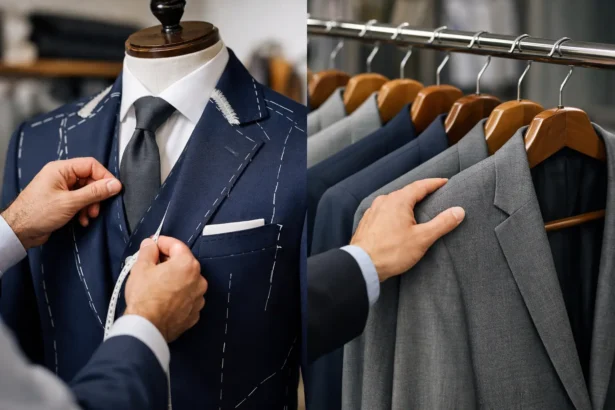
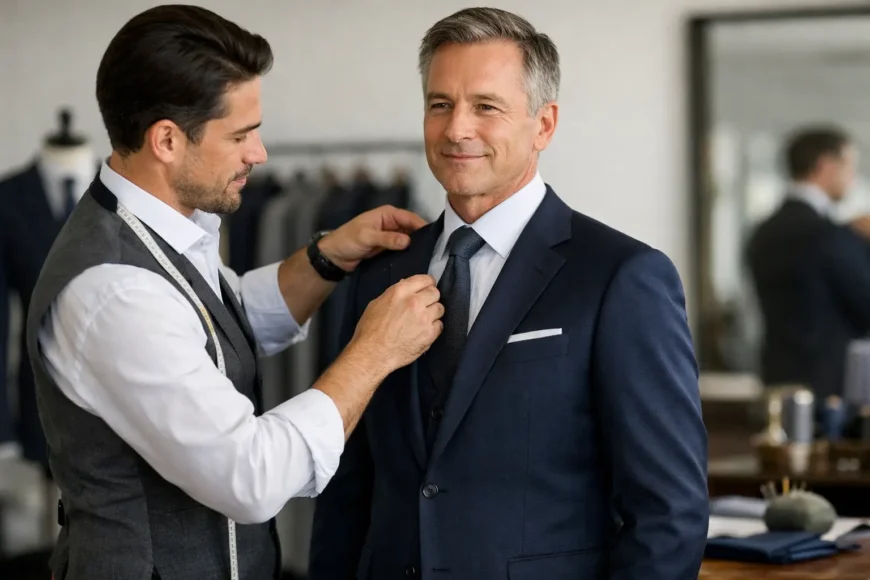
Size problems rarely come from one bad measurement alone. They come from unclear size charts, inconsistent garment ease, changing suppliers and missing staff records. A project should define standard sizes, tailor-made measurements or a mixed approach, then keep that information for repeat orders.
Fabric and Finish
Choose fabric by end use first: climate, movement, washing, structure, branding method and expected service life should guide the decision.
Before bulk production, inspect a real sample under normal lighting, test movement, and confirm how the material responds to the selected print, embroidery or logo treatment.
Artwork and Placement
Brand consistency is built through repeatable rules: approved colours, logo dimensions, placement, garment names and finishing methods. These details should be documented before production rather than decided independently by each department.
The Issue Nobody Sees
Broad apparel searches often mix fashion, uniforms, printing and workwear, making it difficult to identify the specification actually needed.
Local-intent searches usually signal urgency. Buyers want to know what can be customised, how sizing works, what samples are possible and what must be confirmed before visiting or ordering.
Velcoor in the Workflow
Velcoor can narrow an apparel requirement into garment type, fabric, fit, branding, quantities and size-management steps before production.
In practice, this brings uniform design, fabric selection, sizing records, branding methods and repeat-order planning into one workflow, reducing disconnected decisions between design, purchasing and production.
What to Confirm
Before approving an order for bespoke tailor kl, confirm the garment specification, fabric reference, size method, logo artwork, placement, quantity, delivery expectation and the process for future replacements. For regulated safety or clinical requirements, verify the applicable standards directly rather than relying on marketing descriptions.
A disciplined buying brief protects budget because it makes samples, quotations and reorders comparable.