English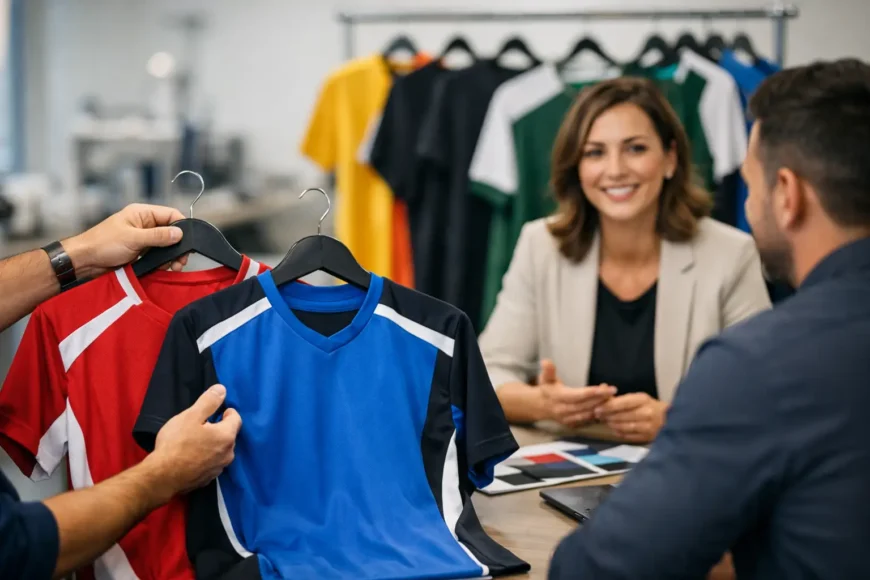
A staff uniform is often the first proof that a business is organized, credible, and attentive to detail. The right uniform manufacturer does more than supply garments: it helps translate your brand standards into professional apparel that employees can wear comfortably through real working days.
For hospitality teams, a polished uniform can set the tone before a guest reaches the reception desk. In a clinic, clean, practical apparel supports confidence and clarity. In corporate offices, well-fitted suits and coordinated separates reinforce the professionalism clients expect. The common requirement is not simply matching clothing. It is a uniform program built around fit, function, durability, and brand consistency.
What a Uniform Manufacturer Should Actually Deliver
A reliable manufacturer should begin by understanding the work, not by presenting a generic catalog. Employees who stand for long shifts, move between hot and cold spaces, meet customers, handle food, or work in clinical settings need different garment features. Fabric weight, breathability, pocket placement, sleeve length, ease of movement, and care requirements all affect whether a uniform performs well after the first fitting.
This is where custom production has a clear advantage over ready-made apparel. Off-the-rack garments may appear convenient at the outset, but inconsistent sizing and limited styling can create problems across a diverse team. A more considered approach gives businesses the ability to select cuts, colors, and materials that suit their people and their workplace.
A professional uniform manufacturer should also manage the details that make an outfit feel intentional: logo placement, embroidery quality, button selection, contrast trims, name tags, and coordinated pieces for different job roles. These choices should support the brand rather than compete with it.
Start With the Role, Not the Garment
The strongest uniform briefs describe what employees need to do each day. A restaurant manager may require a tailored blazer that maintains its shape during service, while kitchen staff need washable, breathable pieces designed for movement and heat. Front-office personnel may need a refined shirt-and-trouser combination that looks sharp throughout client meetings. A healthcare administrator might prioritize modesty, easy care, and professional color coding across departments.
Before selecting styles, consider the environment, shift length, activity level, laundering process, and customer interaction. These practical factors prevent a common mistake: choosing a visually attractive design that is difficult to wear.
It also helps to differentiate uniforms by function while preserving a shared identity. Reception staff, supervisors, service crews, and executives do not need identical garments to look like one team. A consistent color palette, logo treatment, and overall tailoring standard can create unity while allowing each role to wear what is appropriate for its responsibilities.
Fit Is a Business Standard
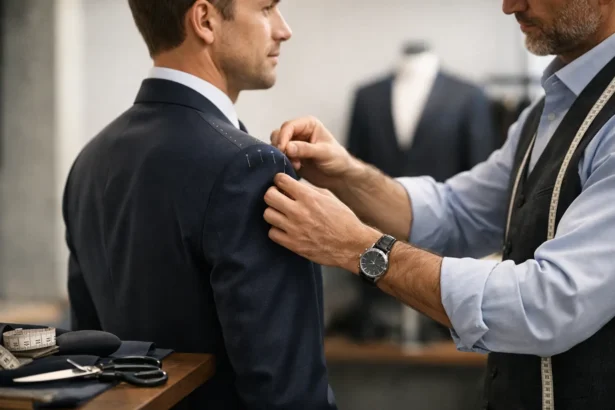
Poor fit is not a minor inconvenience. Shirts that pull at the buttons, pants that restrict movement, sleeves that are too long, and blazers with uneven shoulders can affect confidence and employee acceptance. When uniforms are uncomfortable, teams are more likely to alter them independently or avoid wearing them correctly, reducing the consistency the program was meant to create.
A manufacturer with measurement and fitting capabilities can address body variation more effectively than standard size-only ordering. This is especially valuable for customer-facing teams, where the garment needs to look composed from the beginning of a shift to the end.
Made-to-measure solutions are not necessary for every item or every budget. For larger operational teams, a well-developed size range may be the most practical choice. For management, reception, sales, and executive staff, individualized fitting can be worth the additional attention. The appropriate model depends on the role, expected wear, and the level of presentation your business requires.
Choose Fabrics for Daily Performance
Fabric selection is where appearance and operational reality meet. A crisp fabric may look excellent in an air-conditioned office but feel uncomfortable in high-activity or warmer environments. A lightweight material may offer comfort but require more careful construction to maintain a refined silhouette. The answer is rarely one universal fabric for every department.
A knowledgeable uniform partner should explain the trade-offs clearly. Blended fabrics can offer easier care, wrinkle resistance, and durability for frequent use. Natural fibers may provide a more premium hand feel and breathability, but they can require more maintenance. Stretch components can improve movement and comfort, although the percentage and garment construction need to be appropriate to avoid premature wear.
Color retention matters as much as initial color accuracy. Dark uniforms that fade quickly, white shirts that lose their clean appearance, or printed logos that crack after repeated washing can weaken the brand image over time. Ask how fabrics and branding methods perform under the laundering conditions your employees will actually use.
Make Branding Visible, Not Excessive
A logo on a uniform should be clear, well positioned, and proportionate to the garment. Oversized branding can make professional apparel feel promotional, while a logo that is too small or poorly placed may disappear visually. Embroidery is often suited to polos, shirts, jackets, and blazers because it creates a durable, elevated finish. Printing can be effective for certain fabrics and designs, particularly where larger graphic elements are required.
Brand consistency extends beyond the logo. It includes the shade of navy in a blazer, the contrast piping on a hotel uniform, the typeface used for name embroidery, and the way all pieces work together. These details deserve approval before bulk production begins.
Request physical samples or a pilot set when the project involves a new design, a large headcount, or a highly visible customer-facing team. A sample provides the opportunity to inspect fit, fabric behavior, stitching, logo placement, and color under real lighting. It is easier and more cost-effective to adjust a sample than to revise a completed production run.
Evaluate the Process Behind the Product
The quality of a uniform program depends on the manufacturer’s process as much as its finished garments. A clear process typically includes consultation, design direction, fabric selection, sizing or measurement, sample approval, production, quality checks, and delivery coordination. Each stage reduces uncertainty for the business placing the order.
Ask direct questions about lead times, minimum order quantities, size exchanges, repeat orders, and how the supplier keeps records of approved colors, styles, and logo specifications. These practical arrangements matter when onboarding new employees or expanding to another location. A uniform program should be repeatable, not reinvented every time an additional employee joins the team.
Communication is equally important. Businesses need an informed point of contact who can advise on design and also provide realistic expectations around timelines, fabric availability, and production requirements. Reliable advice protects the project from avoidable delays and helps procurement, HR, and operations teams make decisions with confidence.
Look Beyond the Lowest Unit Price
A low garment price can become expensive if the product fades, loses shape, fits inconsistently, or needs replacing after limited use. When comparing quotes, assess what is included: fabric grade, customization method, construction quality, fitting support, sampling, packaging, and post-delivery assistance.
The best value is usually found in garments that employees will wear willingly and that continue to represent the business well after repeated use. That may mean investing more in front-of-house blazers while choosing durable, easy-care essentials for high-turnover operational roles. A thoughtful uniform budget prioritizes visibility, workload, and replacement needs rather than applying the same specification to every garment.
Build a Uniform Program That Can Grow
An effective uniform manufacturer should help create a system, not just complete a one-time order. Keep approved specifications for each department, establish clear reorder quantities, and document sizing information where appropriate. This makes future orders faster and helps preserve brand consistency across new hires, seasonal staff, and multiple sites.
Velcoor approaches corporate apparel as a tailored expression of professional identity, combining fit guidance, fabric selection, custom branding, and sector-specific design considerations. That level of consultation is particularly valuable when a business needs its team to look coordinated without sacrificing the comfort required for daily work.
The right uniform should make employees feel prepared for their role and make customers recognize the standards behind your business. Begin with the realities of the workday, insist on precise details, and choose a partner that treats every garment as part of your company’s reputation.