English

Making Design Shirts Work Harder & Look Smarter
THE DESIGN EDIT | COLOUR INTELLIGENCE, COOLING FABRICS & NEXT-GENERATION SHIRT DESIGN
Why settle for a shirt that simply looks good? Discover how intelligent colour combinations, climate-conscious fabrics, durable construction and forward-thinking design are transforming the way we dress for work, business and everyday life.
A great shirt should do more than cover the body.
It should complement the wearer’s appearance, remain comfortable throughout the day, withstand regular use and communicate a sense of style without unnecessary effort.
Yet many shirts are still designed around a surprisingly limited formula: choose a colour, select a fabric, add a collar and finish with a few buttons.
The result may look acceptable, but is it truly designed for the person wearing it?
Does the colour complement their appearance? Does the fabric remain comfortable in tropical weather? Can the shirt maintain its shape after repeated washing? Does its design feel current, or will it appear outdated after only a few seasons?
These are the questions shaping the next generation of Design Shirts.
Today, shirt design is moving beyond decoration. It is becoming a thoughtful combination of fashion, fabric performance, human comfort and practical engineering.
From sophisticated colour matching to breathable cooling materials, smart tailoring details and more durable construction, modern shirts can deliver both visual appeal and everyday functionality.
The future of shirt design is not about adding more features. It is about making every feature work better.
01 | Colour Is the First Impression
The Art of Matching, Not Just Choosing
Before someone notices the fabric composition, collar construction or stitching, they notice the colour.
Colour creates an immediate visual impression. It can make a shirt appear sophisticated, energetic, conservative, creative or approachable.
However, a fashionable colour does not automatically make a fashionable shirt.
The real distinction comes from how colours are combined.
Consider a navy shirt. On its own, navy communicates professionalism and stability. Introduce a soft blue inner collar, subtle white piping and complementary buttons, and the shirt begins to acquire a more refined personality.
Now imagine the same navy base paired with oversized fluorescent panels and several competing accent colours. The result may attract attention, but it can easily lose the elegance that made the original colour appealing.
Good colour matching is about harmony, proportion and purpose.
The Three-Colour Principle
A useful starting point for designing corporate and fashionable shirts is to establish three colour roles:
The Foundation Colour
This is the dominant colour that defines the shirt’s overall identity. Common choices include navy, charcoal, white, black, olive and muted earth tones.
The Supporting Colour
A complementary colour introduces visual contrast while maintaining a coordinated appearance.
It may appear on the inner collar, cuffs, side panels, shoulders or selected sections of the shirt.
The Accent Colour
A smaller amount of colour highlights carefully chosen design details, such as piping, button stitching, logos or narrow contrast panels.
One possible design proportion is approximately 70% foundation colour, 20% supporting colour and 10% accent colour. This is a creative guideline, not a strict rule.
The objective is to create a shirt that looks intentionally designed rather than randomly decorated.
Five Contemporary Colour Stories
Navy + Ice Blue + White
Clean, confident and professional. Ideal for management teams, financial services and contemporary business environments.
Charcoal + Teal + Silver Grey
Modern and technically inspired. Well suited to engineering businesses, technology companies and corporate teams seeking an advanced visual identity.
Forest Green + Sand + Cream
Natural and sophisticated. An attractive combination for lifestyle brands, hospitality businesses and environmentally inspired corporate identities.
Black + Slate Grey + Subtle Bronze
Refined and expressive. Suitable for premium retail, luxury hospitality and executive-inspired uniforms.
Burgundy + Soft Grey + White
Distinctive without becoming overly decorative. A useful palette for customer-facing employees and businesses seeking a memorable corporate appearance.
These colour schemes can be adapted across formal shirts, short-sleeved corporate shirts, polo shirts and coordinated uniforms.
Colour Matching the Wearer
Personal colour matching adds another dimension to shirt design.
Skin undertone, hair colour, contrast levels and personal preference can influence how different colours appear on an individual.
Some people prefer softer, muted combinations, while others look and feel more confident in stronger contrasts.
Rather than relying on rigid rules about who can wear a particular colour, designers should use physical fabric swatches, natural lighting and individual preferences to find a flattering combination.
THE COLOUR NOTE
“The right colour does not merely attract attention. It brings harmony to the entire appearance.”
02 | Cooling Fabrics: Smart Shirts for Hot Weather
Because Looking Professional Should Not Mean Feeling Uncomfortable
In Malaysia and other tropical countries, a shirt can encounter several different environments within a single working day.
A morning commute may involve heat and humidity. An office meeting takes place in air-conditioned surroundings. An afternoon client visit may require walking outdoors, followed by another period indoors.
These changing conditions place particular demands on corporate and everyday shirts.
A material that feels comfortable in an air-conditioned showroom may behave differently when worn outdoors.
This is why modern Design Shirts should consider thermal comfort from the beginning rather than treating fabric as a purely decorative choice.
Understanding Cooling Performance
The term cooling fabric can describe several different textile characteristics.
Some fabrics feel cool when first touched because they transfer heat away from the skin relatively quickly.
Others promote comfort through air circulation, moisture management, quick drying or lightweight construction.
These characteristics are related, but they are not identical.
A fabric that feels cool to the touch may not necessarily remain comfortable throughout a humid day.
Likewise, moisture-wicking material does not automatically provide better breathability.
A smart buyer should understand how the material is expected to perform.
Lightweight Cotton and Breathable Weaves
Cotton remains a popular option for shirts because of its familiar feel and natural moisture absorption.
Lightweight cotton poplin and other suitable woven constructions can offer good comfort, depending on weave density, finishing and garment design.
However, a tightly constructed cotton fabric may behave differently from a more open, lightweight weave.
Performance Polyester and Functional Blends
Modern polyester-based shirting fabrics may be engineered for improved moisture movement, reduced drying time and easy-care performance.
Some incorporate mechanical stretch or elastane to support movement.
Their comfort depends on construction, finish, weight and environmental conditions rather than fibre content alone.
Viscose and Other Cellulosic Fabrics
Viscose and selected regenerated cellulosic blends may provide a soft handle and fluid drape.
Depending on their construction, these materials can be attractive for relaxed shirts, fashionable blouses and softer corporate silhouettes.
Care requirements and dimensional stability should be assessed before selecting them for intensive daily use.
Cooling-Finish Technologies
Some textile manufacturers offer materials with specialised finishes or yarn constructions intended to produce a cooling sensation or improve moisture management.
These technologies should be evaluated through relevant performance data, including durability after laundering where applicable.
A cooling claim is more meaningful when the supplier can explain how the fabric has been tested.
The Fabric Is Only Half the Story
Even an excellent fabric can feel uncomfortable when the garment is poorly designed.
Collar tightness, sleeve width, back ease, lining or interlining choices and overall fit affect how a shirt feels during movement.
A lightweight fabric combined with an excessively tight silhouette may offer less practical comfort than a slightly more substantial fabric with better airflow and ease.
THE COOLING RULE
Choose a fabric that supports comfort during actual daily activity—not simply one that feels cold when touched for a few seconds.
03 | Durability Is the New Luxury
A Shirt Should Look Good After the First Wash—and the Fiftieth
There is little value in an attractive shirt that quickly loses its colour, shape or professional appearance.
For businesses purchasing corporate uniforms, durability is especially important.
Employees may wear and wash their shirts several times each week. Collars experience repeated movement, cuffs encounter friction and the fabric must withstand regular cleaning.
Poor fabric or construction choices can become visible through fading, seam distortion, pilling, shrinking and premature wear.
A durable shirt begins with an informed selection of materials and production methods.
Fabric Quality Beyond the Label
Fabric weight alone does not determine durability.
A heavier fabric is not automatically stronger, just as a lightweight material is not necessarily fragile.
Fibre characteristics, yarn quality, weave construction and finishing processes can influence resistance to abrasion, tearing, shrinkage and pilling.
For corporate shirt production, buyers should consider colourfastness, dimensional stability, seam strength and maintenance requirements.
These qualities are especially important when the same uniform design must remain consistent across repeated production orders.
Construction Makes the Difference
The quality of a shirt is also influenced by details that may be difficult to notice at first glance.
Properly constructed collars help maintain the intended shape. Well-finished seams contribute to strength and comfort. Reinforced stress points can improve durability in areas exposed to repeated pulling.
Appropriate button attachment, consistent stitching and careful fabric cutting also play important roles.
A shirt can be visually impressive while still being poorly engineered.
Colour Durability Matters
A corporate uniform may use several coordinated colours.
If the dark navy panels fade quickly while the lighter contrast fabric remains unchanged, the original design loses its intended balance.
Colourfastness testing and appropriate washing instructions help businesses evaluate how garments are likely to perform.
Contrast panels should also be assessed for potential colour transfer during laundering.
Designing for a Longer Product Life
A durable shirt benefits both the wearer and the organisation.
Employees retain a professional appearance for longer. Businesses may reduce the frequency of premature garment replacement, and consistent quality supports a more reliable corporate image.
However, genuine durability should be demonstrated through material performance and construction quality rather than unsupported promises of long-lasting wear.
THE QUALITY PERSPECTIVE
“True luxury is not only how a shirt looks when it is new, but how confidently it continues to perform.”
04 | Trendy Without Being Temporary
The New Language of Modern Shirt Design
Fashion changes, but good proportions rarely lose their appeal.
The challenge for a shirt designer is to create garments that feel contemporary without depending excessively on short-lived trends.
Modern design is increasingly expressed through subtle details rather than unnecessary decoration.
A carefully placed contrast panel can transform a familiar business shirt. A redesigned collar can make a conventional uniform feel more contemporary.
Even the relationship between sleeve width and body shape can change the entire character of a garment.
The Minimalist Executive
A clean silhouette, restrained colours and discreet detailing.
This design may include a concealed placket, refined collar proportions and minimal visible branding.
It works particularly well for businesses seeking a premium, contemporary appearance.
The Technical Corporate Shirt
Inspired by functional workwear and modern performance apparel.
Technical corporate shirts may use lightweight fabrics, stretch-friendly construction, carefully positioned panels and practical pocket details.
The appearance can feel advanced without resembling sportswear.
The Fashion-Forward Short Sleeve
Short-sleeved shirts offer significant design potential, particularly in tropical climates.
Contemporary interpretations may include structured open collars, refined camp collars, subtle panel variations, slightly relaxed silhouettes and clean sleeve finishing.
Careful proportion is essential.
A short-sleeved shirt should feel intentionally designed rather than appearing to be a long-sleeved shirt with its sleeves simply removed.
The Contemporary Colour-Block Shirt
Colour-blocking remains a useful design tool when applied with restraint.
Vertical contrast panels can create a streamlined visual effect, while contrasting shoulders or yokes can introduce a more dynamic appearance.
For corporate uniforms, the colours should complement the brand without making the garment look excessively promotional.
The Premium Everyday Shirt
A sophisticated shirt does not have to be strictly formal.
Relaxed collars, attractive fabric texture, balanced body proportions and discreet branding can create a shirt that works equally well in the office and during casual occasions.
This versatility is particularly valuable for modern working lifestyles.
05 | Advanced Design Is About Function, Not Decoration
The Shirt Is Becoming a Smarter Product
The future of shirt making involves more than new silhouettes.
Advances in textile development, digital design and measurement technology are introducing additional possibilities for apparel production.
Digital visualisation can help designers explore different colour combinations, collar shapes and panel arrangements before producing a physical sample.
Computer-aided pattern systems can assist with developing and modifying garment patterns.
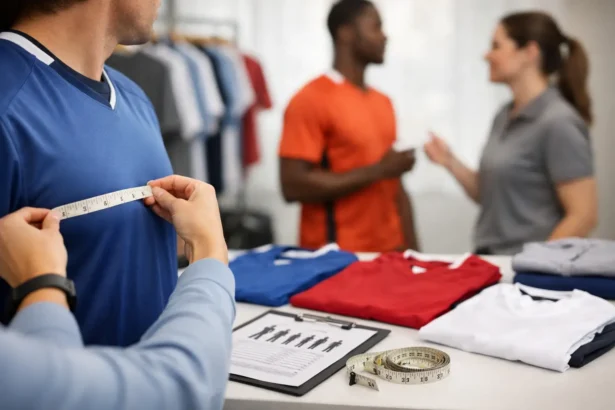
Digital measurement records may also simplify repeat orders when managed accurately and responsibly.
Personalised Fit Through Better Data
Traditional shirt sizing generally relies on standard measurements and predetermined proportions.
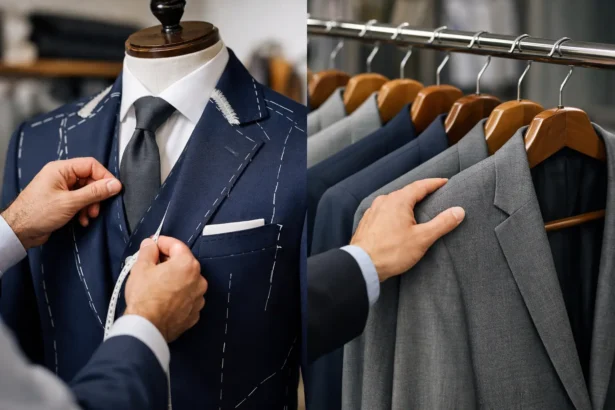
Modern tailoring workflows may combine standard sizing, individual measurement collection, digital fitting tools and carefully controlled pattern adjustments.
These approaches can help accommodate a broader variety of body shapes.
However, technology cannot guarantee a perfect fit on its own.
Accurate interpretation, appropriate garment ease, physical testing and skilled production remain necessary.
Advanced Fabrics for Everyday Comfort
Textile innovation can also introduce new properties into shirting materials.
Examples include moisture-management finishes, mechanical stretch, easy-care treatments and specialised yarn constructions.
Each feature should serve a practical purpose.
Adding every available textile treatment does not automatically produce a better shirt. Performance should be evaluated alongside comfort, appearance, durability and care requirements.
Advanced Branding Techniques
Modern shirts can incorporate discreet branding through embroidery, woven labels, printing or suitable dimensional logo applications.
A tonal embroidered logo may complement an executive shirt, while a contrasting silicone logo might suit a more technical corporate design.
The material, design and branding method should be compatible with one another.
THE INNOVATION EDIT
Advanced design is not about making a shirt look futuristic. It is about making everyday clothing more intelligent, functional and refined.
06 | One Shirt, More Styling Possibilities
Colour Coordination Beyond the Shirt
A well-designed shirt should not be treated as an isolated product.
Its colour, texture and silhouette should work with the rest of the wardrobe.
For business professionals, this often means coordinating shirts with blazers, trousers, skirts, shoes and accessories.
A navy shirt with understated light-blue detailing may pair naturally with charcoal trousers, grey blazers or lighter neutral pieces.
A soft cream shirt with olive details can complement brown, beige or forest-green garments.
A monochromatic black-and-grey shirt may work with tailored black trousers or contemporary structured jackets.
The objective is not to create one fixed outfit.
It is to develop combinations that allow the wearer to look coordinated with minimal effort.
The Smart Wardrobe Approach
Imagine having five corporate shirts that coordinate with two pairs of trousers and one blazer.
If the colours and silhouettes are planned carefully, these items can create numerous practical combinations without requiring an excessively large wardrobe.
This approach can be especially beneficial for professionals who want to reduce the daily effort of deciding what to wear.
It also provides an interesting opportunity for corporate uniform programmes.
Different departments may use variations of the same approved colour palette while maintaining a cohesive appearance.
07 | The Corporate Identity Test
Can Different Departments Look Distinctive Yet Connected?
Corporate uniform design often faces a difficult balancing act.
Management may require formal shirts. Sales employees may need a contemporary short-sleeved design. Technical staff may benefit from functional materials, while reception teams may prefer a more polished silhouette.
Making everyone wear the same garment can compromise practicality.
Allowing every department to develop an unrelated uniform can weaken the corporate identity.
The solution is a coordinated design system.
Consider a company using navy, ice blue and white as its primary visual identity.
Management: A navy long-sleeved shirt with a refined collar, subtle ice-blue details and discreet embroidered branding.
Reception: A white shirt or blouse with elegant navy piping and carefully tailored proportions.
Sales: A short-sleeved, two-tone design using navy and ice blue, with a slightly more expressive silhouette.
Operations: A practical shirt featuring a compatible navy colour palette and a fabric selected for movement and everyday wear.
Technical Team: A functional work shirt with appropriate construction, suitable material performance and coordinated branding.
The garments are different, but they belong to the same company.
This is the difference between buying individual uniforms and designing a complete corporate wardrobe.
A STRONG CORPORATE IDENTITY DOES NOT REQUIRE EVERYONE TO LOOK IDENTICAL. IT REQUIRES EVERYONE TO LOOK CONNECTED.
08 | The Smart Shirt Design Formula
Five Elements Every Buyer Should Evaluate
Before selecting or developing a shirt, consider five essential elements.
1. Visual Identity
Does the shirt have a clear design direction? Are the colours balanced? Does its appearance support the wearer’s personality or the company’s branding?
2. Climate Comfort
Is the material suitable for the working environment? Does the design provide enough ease and airflow? Are moisture-management or cooling claims supported by meaningful information?
3. Construction and Durability
Will the material and workmanship withstand the expected frequency of use and laundering? Are the seams, collars, cuffs and branding methods appropriate for daily wear?
4. Modern Styling
Does the design look contemporary without relying on excessive decorative features? Can it coordinate with trousers, blazers or other wardrobe items?
5. Production Consistency
Can the design be produced again with reliable fabric references, colours, measurements and finishing specifications?
These questions transform shirt buying from an appearance-based decision into a more considered design process.
09 | What to Confirm Before Bulk Production
An Attractive Sample Is Only the Beginning
When custom shirts are produced for a company, design approval should include more than reviewing a digital image.
A physical sample reveals how the selected fabric hangs, how colours appear under normal lighting and how the garment behaves when worn.
Before approving production, companies should confirm the exact fabric reference, composition, weight, colour specifications, measurement chart, approved design details and branding placement.
The sample should be assessed for movement, comfort and workmanship.
Where durability is important, appropriate washing, colourfastness, pilling and dimensional-stability tests can provide additional confidence.
For functional fabrics, buyers should request relevant performance information from the supplier.
If garments are expected to undergo frequent industrial laundering, the selected materials, branding treatments and construction should be evaluated against those conditions rather than assuming that ordinary wash resistance is sufficient.
A well-documented specification also makes future orders easier.
The same colour combination, collar design or logo arrangement can be reproduced with greater consistency when the original references are retained.
10 | The Future of Design Shirts
Style, Comfort and Technology in One Garment
The shirt industry is evolving toward a more thoughtful understanding of what customers need.
A modern shirt should not force buyers to choose between looking fashionable and feeling comfortable.
Nor should a business have to sacrifice visual identity to obtain a practical daily uniform.
The real opportunity lies in combining several disciplines.
Fashion design contributes proportion, silhouette and colour harmony.
Textile development introduces possibilities for improved comfort, movement and fabric performance.
Tailoring expertise provides shape, fit and construction.
Digital tools can improve design communication, measurement management and production documentation.
When these elements are developed together, a shirt becomes more than a finished garment.
It becomes a product designed around the demands of real life.
The Next Standard of Shirt Design
Imagine a coordinated corporate shirt collection where every colour is selected to complement the brand, each fabric is matched to its working environment, every garment is developed with suitable fit and movement, and production records make replacement orders straightforward.
The result is not merely a more attractive uniform.
It is a more considered approach to company apparel.
Employees can benefit from better comfort and thoughtful sizing. Businesses can maintain a cohesive appearance, and buyers can make more informed decisions about materials and workmanship.
This is the direction that advanced shirt design should pursue.
The Final View | Wear Smarter. Feel Cooler. Look Distinctive.
The best shirt designs succeed because their features work together.
Colour matching creates harmony. Appropriate cooling fabrics support comfort in warm conditions. Durable construction helps preserve the garment’s appearance, while modern silhouettes create a distinctive sense of style.
Technology and innovation can further refine the experience, but they should always serve the person wearing the garment.
For businesses and individuals exploring Design Shirts, the priority should be finding the right balance between appearance, function and lasting value.
A well-designed shirt should look professional during the morning meeting, remain practical throughout the working day and continue to feel relevant long after its first wear.
Because intelligent design is not about making a shirt more complicated. It is about making a shirt work harder, feel better and look effortlessly smarter.
Frequently Asked Questions
What are Design Shirts?
Design Shirts refers to shirts developed with deliberate attention to styling, colour combinations, fabric selection, fit and functional details. They may include formal shirts, contemporary casual shirts, corporate uniforms or individually customised garments.
Which fabric is best for design shirts in hot weather?
Lightweight cotton, suitable cotton blends and selected performance textiles can be good options. The best choice depends on breathability, moisture management, fabric construction, fit and expected working conditions.
Are cooling fabrics suitable for corporate shirts?
Yes, provided the selected material delivers the required appearance, comfort, durability and branding compatibility. Cooling-related claims should be evaluated against the fabric’s actual performance and care requirements.
How can colour matching improve a shirt design?
Thoughtful colour coordination creates visual harmony, supports brand recognition and makes shirts easier to combine with other garments. A foundation colour, supporting colour and controlled accent colour can provide a useful starting point.
What makes a custom shirt look modern and advanced?
Contemporary proportions, refined collars, subtle contrast panels, suitable technical fabrics, clean finishing and coordinated branding can create a sophisticated modern appearance without excessive decoration.
How can companies make uniform shirts more durable?
Businesses should consider fabric quality, construction methods, colourfastness, shrinkage control, seam strength, care requirements and the suitability of branding applications. Physical sampling and relevant testing are important before bulk production.